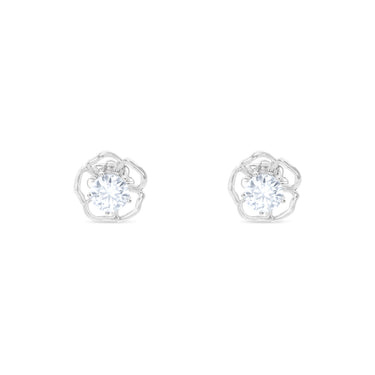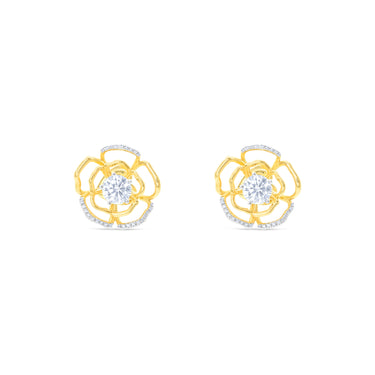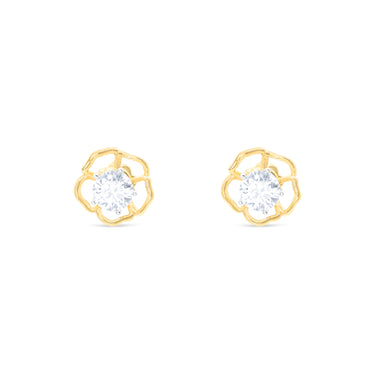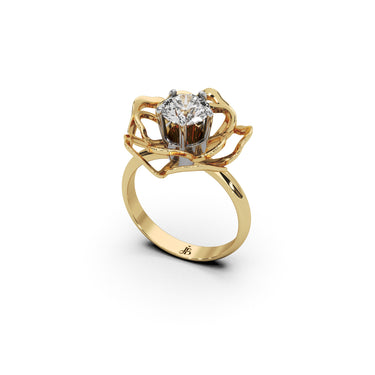


White gold gets its pale color from an alloy formulation, which may include nickel, palladium or other metals. “18K white gold” tells you the gold content but does not name those constituents. For a person with a known metal sensitivity, the missing detail matters.
What the karat leaves unanswered
Alloying metals influence gold's appearance and working properties. Nickel-containing and palladium-containing formulations are among the possibilities, with other metals also used in specific recipes.
A hallmark or fineness description does not necessarily give you the complete formulation. A rhodium-plated surface also prevents visible color from serving as a reliable way to identify the alloy underneath.
| Information | What it answers |
|---|---|
| Gold fineness | The proportion of gold in the alloy |
| Alloy specification | Which other metals the material contains |
| Plating description | Whether the visible surface includes an added layer |
| Workshop care advice | How to handle that material in the actual jewel |
Ask a question the supplier can verify
Instead of asking only “Is it hypoallergenic?”, ask whether the actual alloy contains nickel and what written material information is available. If a technical claim cannot be confirmed, it should not be presented as a certainty.
Different components may deserve attention: posts, clasps, repairs or other fittings can be relevant alongside the main band. The composition of one part should not automatically be attributed to every part of an assembled jewel.
Keep skin concerns within their proper scope
Nickel in jewelry can be relevant to nickel allergy. A rash beneath jewelry can have more than one cause, so a product description cannot diagnose the reaction.
If jewelry produces a rash, stop wearing it and discuss persistent symptoms with a dermatologist. Ask for the material information to bring to that conversation. Do not treat a new coating as a guaranteed medical solution.
Avoid assuming that every palladium-containing alloy is suitable for every person. A meaningful description states the composition it can verify rather than making an absolute promise about all wearers.
Discuss repairs and matching pieces
The alloy and plating can influence refinishing and repair decisions. Give the jeweler any original material records before work is proposed, particularly when parts may have been replaced or the piece previously repaired.
For matching wedding bands or additions to a stack, compare real samples. The same 18K label does not guarantee identical color or surface behavior across different formulations.
Keep the description with the jewel
Retain the invoice, metal description and any available alloy information alongside stone reports. Those records can be useful when discussing care, a repair or an additional matching piece later.
Ask for a written material description
Use this request when the alloy matters: “Please confirm the gold fineness, whether nickel is present, the alloy information available from the supplier, and any plating on the finished piece.” A seller may not hold a full formula; ask which details can actually be verified.
| Description you receive | What to clarify |
|---|---|
| “White gold” | Karat, alloy information and plating |
| “Palladium white gold” | What the supplier confirms about the formulation |
| “Nickel-free” | The basis and scope of that statement |
| “Rhodium plated” | The underlying metal remains a separate question |
| “Hypoallergenic” | The composition and limits behind the claim |
A surface coating does not change the composition below it, and no alloy description can guarantee that every individual will tolerate a jewel. If you have a diagnosed allergy, discuss the documented materials with the clinician advising you.
When buying earrings, include posts and backs in the request. Their composition may need separate confirmation from the decorative part of the earring.
The useful answer is a documented composition and a finish you understand. A reassuring adjective cannot replace that information.
Sources: GIA guide to white metals; American Academy of Dermatology on nickel allergy; AAD advice on a rash beneath jewelry.