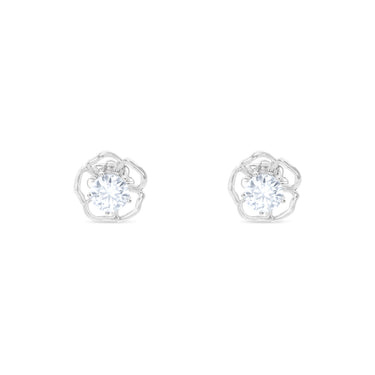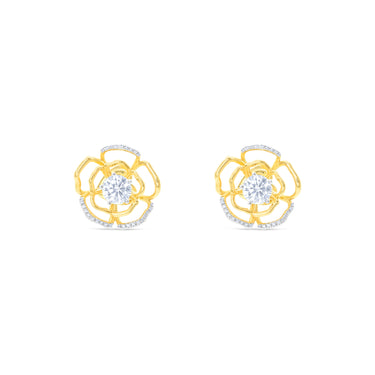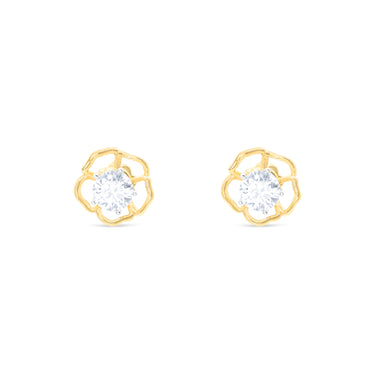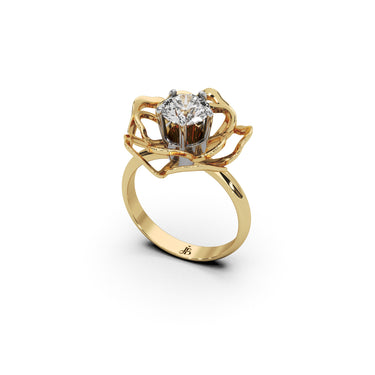


A diamond report should be read in the context of the laboratory and the service that issued it. This is particularly important for lab grown diamonds in 2026, following changes to GIA's assessment approach.
For Just Brilliant, the underlying selection commitment remains clear: D color exclusively for lab grown diamonds. Understanding how a report expresses quality helps keep that commitment precise.
The current GIA approach
On October 1, 2025, GIA introduced its Laboratory Grown Diamond Quality Assessment for diamonds in the D to Z color range. It uses the overall categories Premium and Standard, subject to its stated criteria.
Premium requires D color, at least VVS clarity, Excellent polish and symmetry, and an Excellent cut grade for round brilliants. D color alone is therefore insufficient to establish Premium.
A Standard assessment should not be read as one exact color or clarity grade. The category reflects the applicable combination of criteria.
Older GIA documents may use a different reporting format. Their issue date and stated service need to be considered before comparing them with a current assessment.
The IGI approach
IGI has confirmed that it continues to apply the 4Cs grading framework to natural and lab grown diamonds. Its reports can therefore present individual color and clarity grades alongside the other reported characteristics.
This difference means the two laboratories' current documents should not be compared by assuming that every label has a direct one word equivalent.
Documentation within the Maison conversation
A report number should be checked with the issuing laboratory, and the document should correspond to the stone being considered.
Just Brilliant's selection standard and a laboratory's assessment category are distinct statements. The former expresses the Maison's choice; the latter records the laboratory's findings under a particular service.
Reading both accurately allows attention to return to the jewel itself: the diamond, its setting and the complete design.