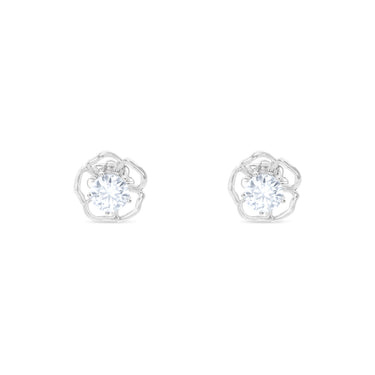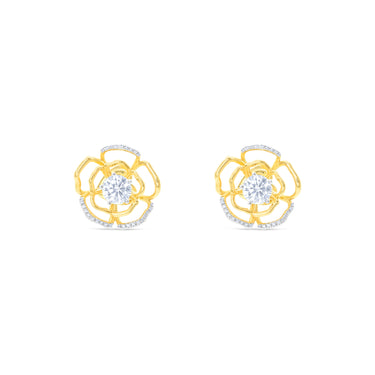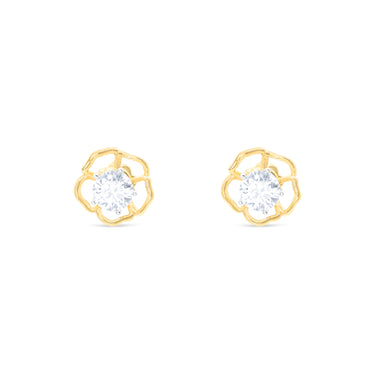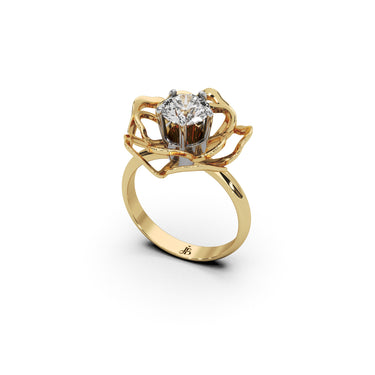


A ring that turns on the finger may be too loose, top heavy, affected by the difference between knuckle and finger base, or influenced by a neighboring band. The useful first step is to identify which pattern you are experiencing before choosing a size change.
Observe when it happens
Note whether the ring turns constantly or only when your hands are cold. Check whether it rotates by itself, or whether a sleeve, glove or neighboring ring moves it. A heavy or elevated center can behave differently from a plain band in the same labeled size.
This observation helps a jeweler assess the ring. It is not a reason to test the setting by pushing the stone or twisting its prongs.
Separate three fitting questions
| Question | Why it matters |
|---|---|
| Can it pass the knuckle appropriately? | Determines the minimum usable opening |
| How does it sit at the finger base? | Shows whether the band is loose where it is worn |
| How is its weight distributed? | Helps explain rotation beyond size alone |
If the knuckle is considerably wider than the finger base, a ring that passes it may have room to turn afterward. A conventional reduction in size might make removal difficult without fully solving the balance issue.
Try the intended combination
Wear the engagement ring with the wedding band if that is your usual arrangement. The extra width and contact can alter fit and movement. Do not assume the size chosen for a narrow solitaire will feel the same as the complete stack.
Also consider the band's interior profile and thickness. A different construction can feel different even when the nominal size remains unchanged.
Discuss adjustments for this ring
A jeweler may consider resizing, sizing beads, a suitable internal insert or a more specialized shank design. These options serve different circumstances and are not available or appropriate for every piece.
Ask how the proposed change affects comfort, removal, cleaning and appearance. If diamonds extend around the full circumference, the setting can limit conventional resizing. Engraving and decorative details may also be affected.
Avoid permanent adhesive or a do-it-yourself metal modification. Temporary retail fit accessories should be checked for compatibility and should not conceal a damaged shank or insecure stone.
Recognize a separate setting problem
A rotating ring and a moving diamond are different issues. If the stone itself moves, a prong catches, or the ring has changed after an impact, stop wearing it and arrange professional inspection.
If fit changes unexpectedly, do not force a tight ring onto the finger. Resolve the fit before treating rotation as a purely cosmetic annoyance.
Match the movement to a fitting question
Keep a brief record of when the ring turns: all day, only when the hand is cold, or mainly after adding another band. That history helps separate a consistently loose fit from a changing one.
| Pattern you notice | What to discuss |
|---|---|
| Loose at both knuckle and base | Whether a smaller size is appropriate |
| Tight over the knuckle but loose at the base | Whether beads, an insert or another fitting solution suits the ring |
| Center repeatedly falls to one side | Balance, fit and underside shape together |
| Comfortable alone, restrictive in a stack | Combined band width and the intended arrangement |
| Recently changed after damage or repair | Inspection of shape and construction before resizing |
Sizing beads reduce part of the available interior space; an insert changes it differently. Neither is suitable for every design or finger. Ask to understand the effect, reversibility and wearing feel before approval.
If a ring becomes painfully tight or cannot be removed normally, seek appropriate assistance instead of forcing it past the knuckle. Routine anti-spin adjustments should follow a comfortable, wearable fit.
Correct the cause of the movement, not just its appearance at one moment. A fitting that considers the knuckle, finger base and complete stack is more dependable.
Sources: Just Brilliant ring-size guide; GIA ring-setting guide.