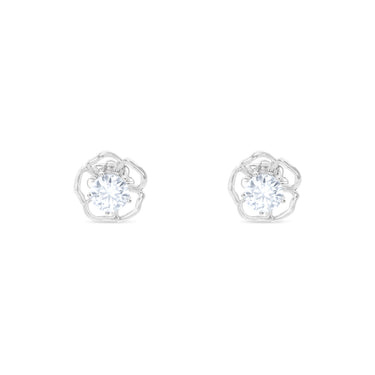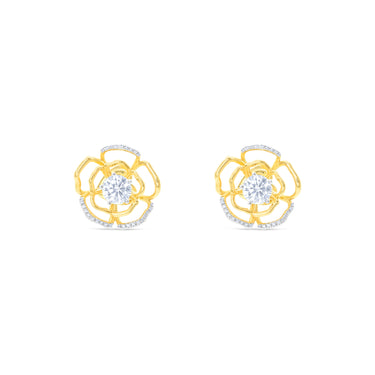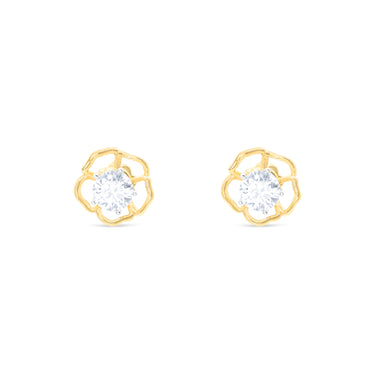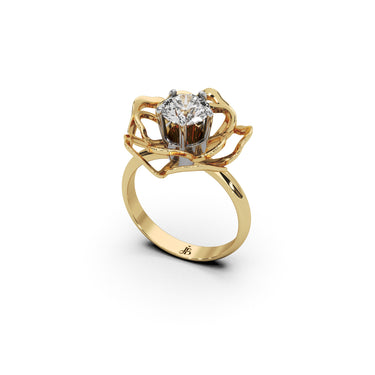


An heirloom diamond carries two kinds of value: the stone itself and the history of the jewel around it. Before resetting, decide which details preserve that history for you. A new design should begin with a condition record and a clear plan for the original mounting.
Record what you want to preserve
List the elements with personal meaning: the diamond itself, engraving, side stones, metal or the original silhouette. Photograph the jewel from several angles before work is authorized.
If keeping the original mounting matters, discuss that at the beginning. Removing a stone can be a different proposal from preserving the jewel intact or adapting its existing construction.
Establish the stone's current condition
A mounted diamond may limit access to some areas. A jeweler can explain what can be observed in place and whether further examination would require removal. Ask about any handling considerations before that step.
Compare available reports and measurements with the actual stone. If identity, treatment or the relevance of an old report is uncertain, ask what additional laboratory work would be appropriate.
| Item to review | Design consequence |
|---|---|
| Length, width and depth | Determines the seat and available profile |
| Girdle, points and corners | Influences support and protection |
| Wear or damage | May require assessment before resetting |
| Cutting style | Affects the visual character of the new composition |
| Original records | Helps retain an accurate history and description |
Design around the real stone
Carat weight alone does not supply a mounting specification. A deep antique-style diamond and a contemporary brilliant of similar weight may require different profiles.
Consider whether the new setting should retain the stone's original character or create a deliberate contrast. For a ring, also assess band width, height, finger size and wedding-band fit. A pendant introduces hanging orientation and bail requirements instead.
If side stones are added, confirm their dimensions and identity separately. Do not describe the whole jewel as one origin or treatment category unless that description is accurate for its components.
Clarify the workshop proposal
Ask what happens to the original setting, whether any metal or stones will be returned, and how the item's condition will be recorded. Confirm responsibilities, timing and the applicable service terms in writing.
If insurance is relevant, ask the provider about the redesign and its documentation requirements before work proceeds. A new design may change the appropriate item description or valuation record.
Approve the final design thoughtfully
Review dimensioned views, stone orientation and the treatment of sentimental details. Identify which elements are confirmed and which remain subject to sourcing or further assessment.
Write the preservation brief before the design brief
| Preserve or decide | Record before approval |
|---|---|
| Stone | Identity, measurements, existing report and condition findings |
| Original mounting | Front, side, underside, marks and engraving photographs |
| Family details | Names, dates and stories, with their source identified |
| Design priorities | Features to retain, reinterpret or set aside |
| Removed material | Whether mounting, stones and other parts are to be returned |
| New jewel | Proposed dimensions, metal and setting |
| Records after work | Final photographs, repair record and appraisal needs |
For an illustrative brief, a wearer might preserve the original diamond and engraved date while replacing a tall mounting with a lower-profile design. Another might keep the original ring intact and choose a separate new jewel. These are alternative priorities, not accounts of a Just Brilliant client.
Ask which original details could be affected by removing the stone or refinishing the metal. Do not promise that an engraving can always be transferred unchanged. Agree on the treatment of removed components and photograph them before work, so that preservation is an explicit instruction rather than an assumption.
A thoughtful reset makes room for daily wear without losing the details you chose to preserve. The design and the record should tell the same story.
Sources: GIA diamond care; GIA building an engagement ring.