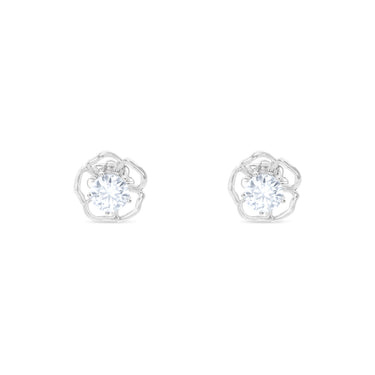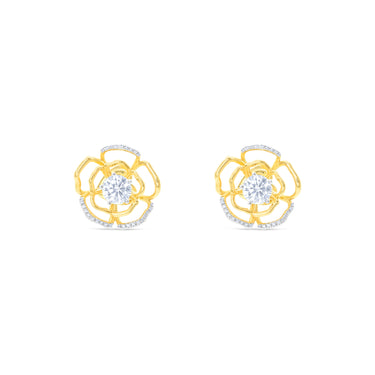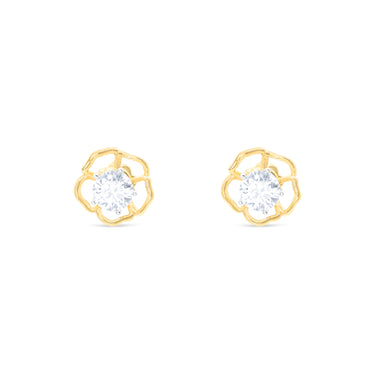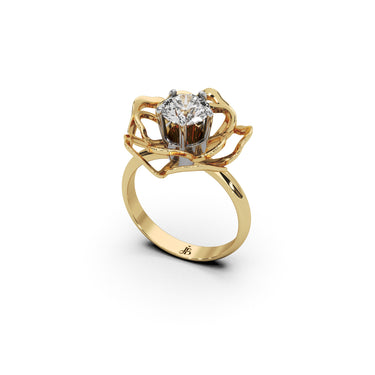


A polished gold surface reflects sharp highlights; a satin finish scatters them into a softer glow. The choice changes how a line or curve reads, particularly beside diamonds. It is a surface treatment, rather than a different gold fineness.
Compare finish on the same design
View similar gold color, band width and profile together. A wide satin band and a narrow polished band differ in more than finish, so they are not a controlled comparison.
Look under diffuse light as well as direct light. Reflections can make a polished band appear lighter, darker or even colored by its surroundings. Texture can look more pronounced in a close photograph than at normal viewing distance.
| Finish | Initial impression | What to observe over time |
|---|---|---|
| Polished | Clearer, brighter reflections | Fine scratches and changing reflectivity |
| Satin | Softer, more diffuse reflection | Rubbing, smoothing and changes in the texture |
| Combined | Contrast between selected surfaces | Whether wear changes the intended boundary |
Distinguish a finish from a damage concern
Fine surface wear is different from a bent band, a deep gouge or an insecure setting. If the jewel changes shape, a stone moves or a clasp behaves differently, arrange assessment of the construction rather than only cosmetic refinishing.
Inspect the piece clean and dry. Residue can conceal texture or dull a polished surface, so the first recommendation may be appropriate cleaning.
Ask how refinishing affects the design
Restoring a finish involves work on the surface. Ask how the jeweler will preserve engraving, edges, decorative relief and small setting details. Repeated or aggressive polishing can change fine features, so a bright result is not the only criterion.
A satin treatment should be matched to the actual original texture. “Matte” can describe several different appearances, and a photograph may not specify the exact technique used.
If the jewel is rhodium plated, distinguish the underlying surface preparation from the plating. Gold color, surface texture and coating are separate choices.
Consider the way rings meet
Two bands can rub against each other during wear. Compare their contact from the side, particularly when one ring includes raised settings or a textured edge. A stack may change the wear pattern of either finish.
Choose whether you want the pair to share a finish or deliberately contrast. A matching appearance at purchase does not mean the pieces will evolve identically if their exposure differs.
Approve a clear finish description
For a custom jewel, identify which surfaces are polished, satin or another texture, and check the treatment around engraving and stones. Keep a useful photograph of the approved appearance.
Compare reflections on the same form
Look at two similarly shaped samples under the same light. Move them slowly: a polished surface creates clearer reflected images and bright highlights, while a textured surface breaks those reflections up. The exact satin texture depends on the method used.
| Design situation | Detail to compare |
|---|---|
| Plain wide band | How the finish emphasizes its curve and edges |
| Diamond-set band | Whether bright metal competes with or frames the stones |
| Two finishes in one design | The boundary and how it will be preserved during service |
| Ring stack | The surfaces and edges that repeatedly contact each other |
Ask the maker to name or document the intended finish. “Matte” and “satin” may cover several textures, so a reference sample or photograph is helpful.
Ordinary scratches may soften a mirror finish or make a satin surface look patchier. Do not attempt to recreate a texture with household abrasives. Before refinishing, discuss engravings, plated surfaces and whether repeated polishing would affect fine details.
Choose the finish for the way it gives shape to the jewel. Expect its surface to develop with wear, and keep a record of the finish you want preserved.
Source: GIA guidance on caring for jewelry. Finish comparisons and the approval checklist are editorial guidance, not a laboratory durability test.