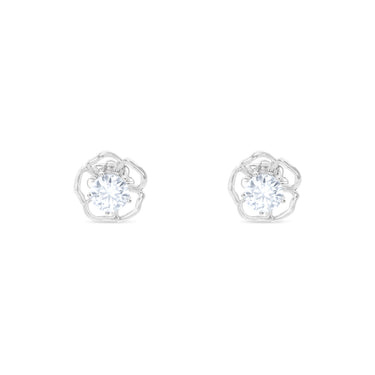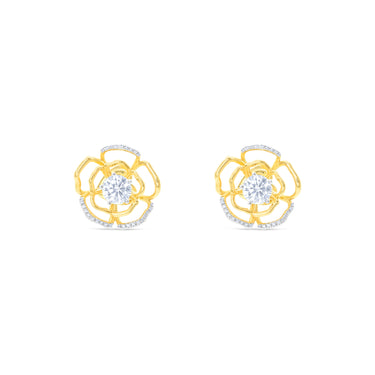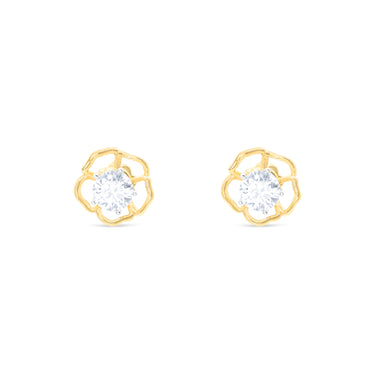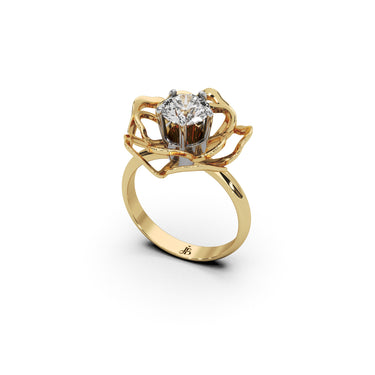


A new rattle, visible movement or a prong that suddenly catches can indicate a setting problem. Stop wearing the jewel and protect it for examination. The first useful action is to preserve the stone and describe the change, rather than testing how loose it is.
Notice a change in normal use
You may see movement while handling the ring normally, notice an unexpected catching point, or observe that one prong no longer appears to meet the stone as it did before. A new sound during ordinary wear can be worth mentioning, but do not deliberately shake the jewel to produce it.
Some designs contain moving elements by intention. The question is whether the diamond is moving in a place where it is supposed to be secured, or whether the construction has changed.
| Observation | Sensible next step |
|---|---|
| Stone movement in its seat | Stop wearing and arrange inspection |
| A lifted or catching prong | Have the setting examined |
| Change after an impact | Report the event and request an assessment |
| A missing small stone | Keep the jewel secure and retain any recovered stone |
| Uncertainty from a photograph | Request physical examination rather than a definitive remote diagnosis |
Keep the jewel secure
Place it in a protective container where it will not rub against other jewelry. If a stone has come out and is recovered, keep it safely with the relevant item and documentation.
Avoid household glue, tape pressed onto the stone or attempts to close the setting with pliers. A temporary visible attachment is not a properly repaired seat.
Do not put an uncertain setting into an ultrasonic cleaner. Cleaning and inspection should follow the condition of the jewel, not a wish to make it look better before the problem is assessed.
Bring the relevant information
Tell the jeweler when the change was first noticed and whether it followed impact, catching, resizing or another repair. Provide the invoice and stone report if available.
A clear photograph may help record the visible condition, but the jeweler still needs to examine the mounting. Magnification and access to the setting reveal details that a front-view phone image cannot establish.
Ask what the repair addresses
An assessment may concern a prong, a stone seat, a worn component or a broader construction problem. Ask the workshop to explain the proposed work and how it will verify the stone's security afterward.
If replacing or rebuilding metal is proposed, clarify any effect on the design and finish. If a stone is damaged, that requires a separate conversation from merely tightening the mounting.
Resume wear after the condition is resolved
Keep any repair record and follow the specific care recommendations provided. For future inspection intervals, discuss your design and wear pattern rather than assuming one timetable suits every piece.
Give the jeweler a clear condition history
Place the jewel in a separate padded container. Record when the symptom began, whether an impact occurred and any recent repairs or cleaning. Take a photograph if you can do so without manipulating the stone.
| Observation to record | What to avoid |
|---|---|
| A sound heard during ordinary movement | Shaking repeatedly to reproduce it |
| A gap visible beside a prong | Probing it with a needle or blade |
| A stone visibly changing position | Pressing or twisting it |
| A prong catching fabric | Bending it back with household tools |
| A recent impact | Continuing wear because the stone appears intact |
If a stone has come free, keep it with the jewel in a secure container and tell the workshop where it was found. Do not glue it back into the setting.
Ask the workshop to explain the cause it identifies: wear, damage, inadequate contact or another condition. The appropriate repair may involve more than tightening one visible tip, so request the findings and proposed work in writing.
A prompt inspection protects more than the setting. It preserves the chance to identify the cause before a stone is lost or further damage occurs.
Sources: GIA diamond care; GIA diamond-setting benchmark.