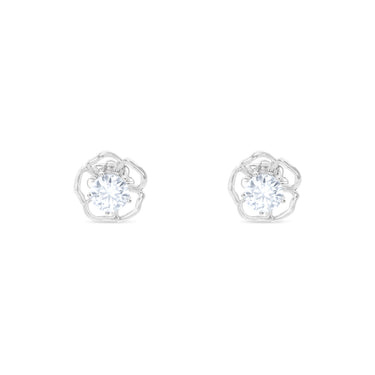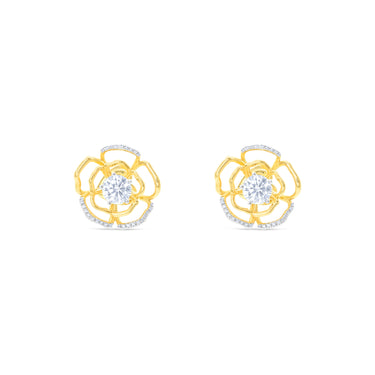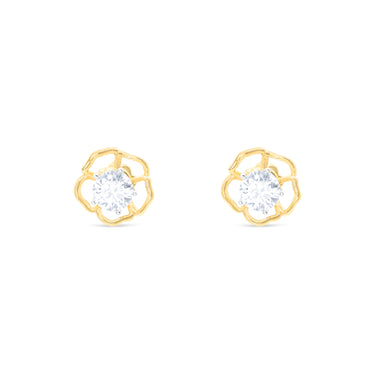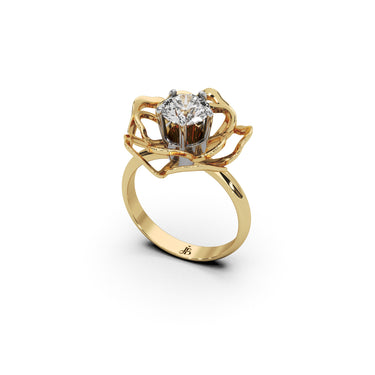


Precision is a central Just Brilliant value. It belongs in the description of a jewel as well as in its design, especially when words about environmental responsibility enter the conversation.
Lab grown identifies a diamond's production origin. D color states the Maison's exclusive color selection for that material. Neither statement, on its own, measures the environmental impact of a finished creation.
Ask what a claim actually covers
A meaningful environmental comparison needs a defined subject. It may concern a growth facility's energy supply, a particular production period, a transport stage or a complete product assessment.
Those scopes are different. Information about one stage should not automatically be extended to every part of the finished jewel.
A comparative statement also needs a clear basis: what was measured, what was included and what was used for comparison.
Specific evidence and clear language
The Federal Trade Commission's Green Guides advise against broad, unqualified environmental benefit claims and emphasize appropriate support for specific statements.
For a jewelry client, this encourages a useful distinction between a documented fact and a general impression. A laboratory grading report, for example, addresses gemological information rather than proving a complete environmental assessment of the jewel.
The same care applies to the gold, packaging and other materials, each of which has its own relevant information.
Responsibility within the life of a jewel
Care, appropriate storage and professional attention can help preserve a creation and support continued use. These are practical acts connected to the object the wearer owns.
Just Brilliant's craftsmanship perspective gives those acts a clear place in the relationship with a jewel. Its material identity should be accurate, its design considered and its care appropriate.
The language of responsibility is strongest when it remains specific, allowing the wearer to understand what is known and what a particular statement means.