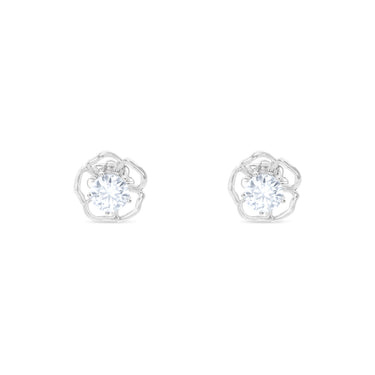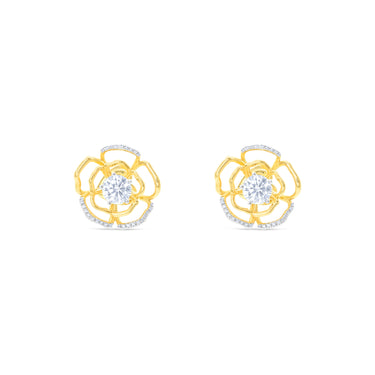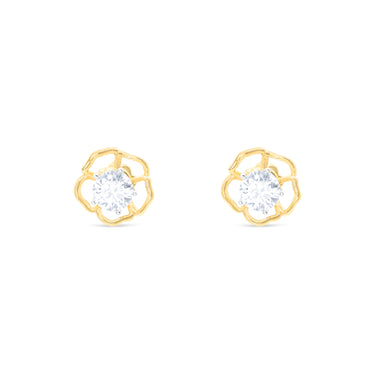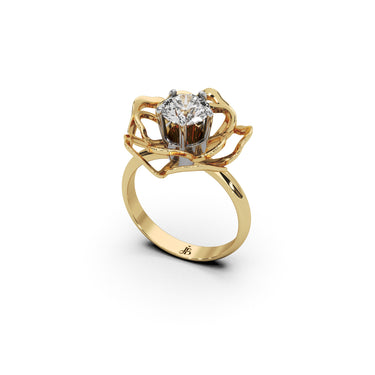


A laboratory report offers a quieter kind of discovery. Beside the attraction of color and the pleasure of a finished jewel, it records observations that the eye alone cannot establish. Learning to read it brings a greater sense of clarity to the choice of a gemstone.
In Baku, clients may use the word “certificate” for several different documents. A laboratory report, a seller’s description and a warranty have different purposes. At Just Brilliant, a considered consultation includes understanding which documents relate to the particular stone and which relate to the finished creation.
Begin with the issuer and the report type
Identify the laboratory and the exact service named on the document. A colored stone identification report is not the same service as a diamond grading report. Its conclusions should be read within the scope of the examination performed.
For example, GIA offers identification reports and identification with geographic origin reports for eligible colored stones. The latter adds a geographic origin assessment where the service and findings allow it. The distinction helps explain why two documents may contain different fields.
Ask the advisor to open the laboratory’s own verification service when one is available. For a GIA report, this is Report Check. Compare the recorded details with the document you have been given. A matching online entry confirms a record; matching the physical stone to that record remains a separate professional task.
Read the identity before the adjectives
Begin with the name of the material and whether it is described as natural or laboratory grown. Continue with the shape, measurements, weight and other identifying details supplied by the report. These establish what was examined.
A useful reading order is: who examined the stone, what material it is, what identifying details are recorded, what treatment information is stated, and whether geographic origin is included. This keeps the most meaningful questions together.
For a stone already mounted in jewelry, discuss how the setting affects the observations and measurements that can be made. Any limitations stated by the laboratory deserve the same attention as the principal conclusion.
Give treatment its own question
A treatment statement describes the evidence found in the examination. Read its exact wording. “No indications” and “none” should not be casually expanded into promises that the report does not make.
Ask how the stated treatment affects the description and care of the proposed jewel. If a term is unfamiliar, request a clear explanation before proceeding. A comfortable buying experience allows time for these questions.
The report may be technical, but the conversation around it should be understandable. It should leave you able to describe the stone accurately in your own words.
Keep geography separate from quality
A geographic origin assessment addresses a different question from the stone’s beauty or its suitability for your design. If origin is stated, note the laboratory’s precise wording. If it is absent, do not assume it from a color name or a verbal association with a famous region.
A report also has a defined object of examination. Information about a center stone should not automatically be taken as a description of every accent stone, the gold alloy or the workmanship of the complete jewel.
The documents around a Just Brilliant creation
For an individual gemstone commission, discuss the proposed stone and available laboratory documentation with our Baku team before confirming the design. The agreed description, materials, quotation and expected timing should form a coherent account of what will be created.
Keep the report, purchase documents and relevant service correspondence together. They preserve the details needed for future conversations about the jewel. Where a current professional assessment is required, the original paperwork provides a useful starting point.
At Böyük Qala 24, Icherisheher, a consultation can bring the visible and the documented sides of a gemstone together. Understanding its identity allows personal taste to remain at the heart of the decision.
Keep separate records for the stone and the finished jewel when both are supplied. The laboratory report identifies the material examined, while the order description should identify the agreed setting and other components. Our private commission guide helps connect these documents to the decisions made during the design process.