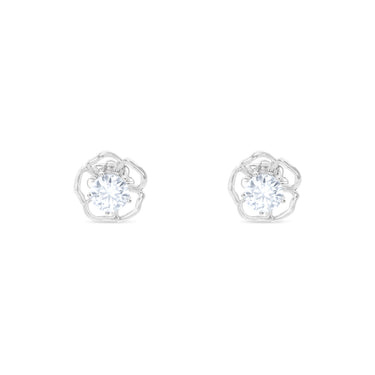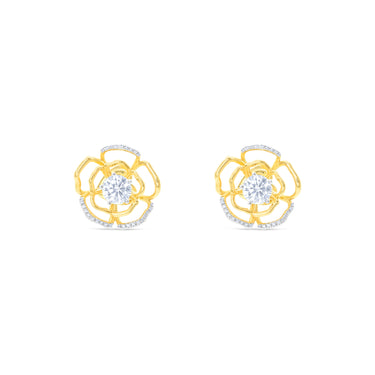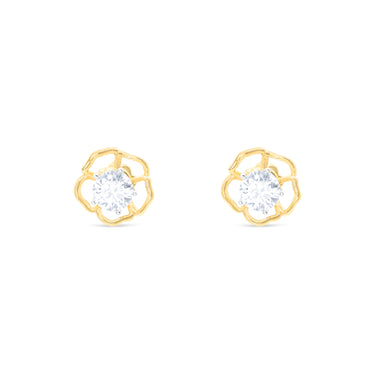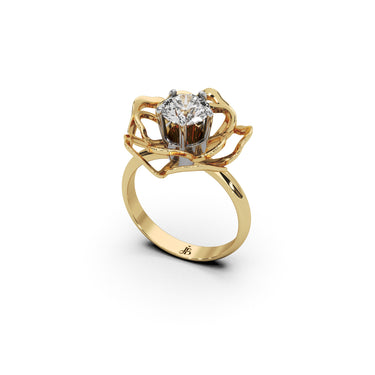


Catalog image: Three-Prong Diamond Tennis Bracelet by Just Brilliant. The final configuration is specified for the selected creation.
Equal carat totals can create very different diamond lines. In a Hong Kong tennis-bracelet comparison, stone count, length and setting width reveal what the number alone leaves open: the rhythm of the bracelet on the wrist.
A headline carat figure is worth knowing, but it should lead to questions rather than settle the selection. The bracelet’s dimensions, setting and fit explain what that figure looks like on the wrist.
Understand the arithmetic
Total carat weight is the sum of the diamonds' weights. Consider two illustrative arrangements: thirty diamonds averaging 0.10 carat total 3.00 carats; sixty averaging 0.05 carat also total 3.00 carats. One repeats fewer, larger stones; the other repeats more, smaller stones.
Those totals do not establish either bracelet's length or finished width. The settings and spacing also occupy room. Compare actual stone counts and dimensions alongside the complete length, rather than using the average as a promise about every diamond.
Compare a similar wearing length
Begin with bracelets of similar wearing length on the same wrist. If one is longer, part of its larger total may come from additional diamond links rather than larger diamonds. Mark the length difference before judging the carat totals.
Keep four entries together for each candidate: finished length, stone count, total diamond weight and finished width. Establish how the clasp is included in the length. If shortening is proposed, obtain the revised count and weight as well: removing a diamond link changes more than the fit.
Then look at the line from ordinary distance. The spacing between settings helps determine whether the bracelet reads as a close ribbon or a more open sequence.
Notice the space between settings
The gold contributes to the design. Look at the amount of visible metal, the spaces between adjacent settings and the outline of the links. Two bracelets with similar diamond dimensions may still differ in finished width and visual openness.
Ask an advisor to show the underside and articulation. The bracelet should be considered while resting on the wrist and moving gently. A line that photographs neatly when laid flat still needs a wearer-led fit assessment.
Keep the comparison in one lighting setup
If an in-person viewing is arranged, examine the candidates together rather than comparing impressions from separate visits. Look in neutral light where possible, not only under bright spotlights.
For a remote comparison, request side-by-side images at the same scale and a continuous video of the actual pieces. Such images help establish proportions and movement; they do not independently grade the diamonds.
Confirm diamond origin, gold specification and the scope of any documentation. A seller’s description of a whole bracelet is different from separate grading reports for individual stones.
Compare two ways of framing the same line
The Three-Prong Diamond Tennis Bracelet and Four-Prong Diamond Tennis Bracelet give the stones different metal outlines. Ask to compare appropriate configurations at a similar scale and length, keeping their individual specifications beside them. Rotate each bracelet to see the reverse, articulation and fastening. The number of prongs is one visible construction choice; the finished line’s width and behavior at the wrist still need their own comparison.
View Three-Prong Diamond Tennis Bracelet and the current catalog specification.
Your selection in Hong Kong
Send Just Brilliant your preferred length and visual scale for a Hong Kong appointment inquiry. Request a comparison using the same measurements for each bracelet, and confirm which pieces and viewing arrangements are available.